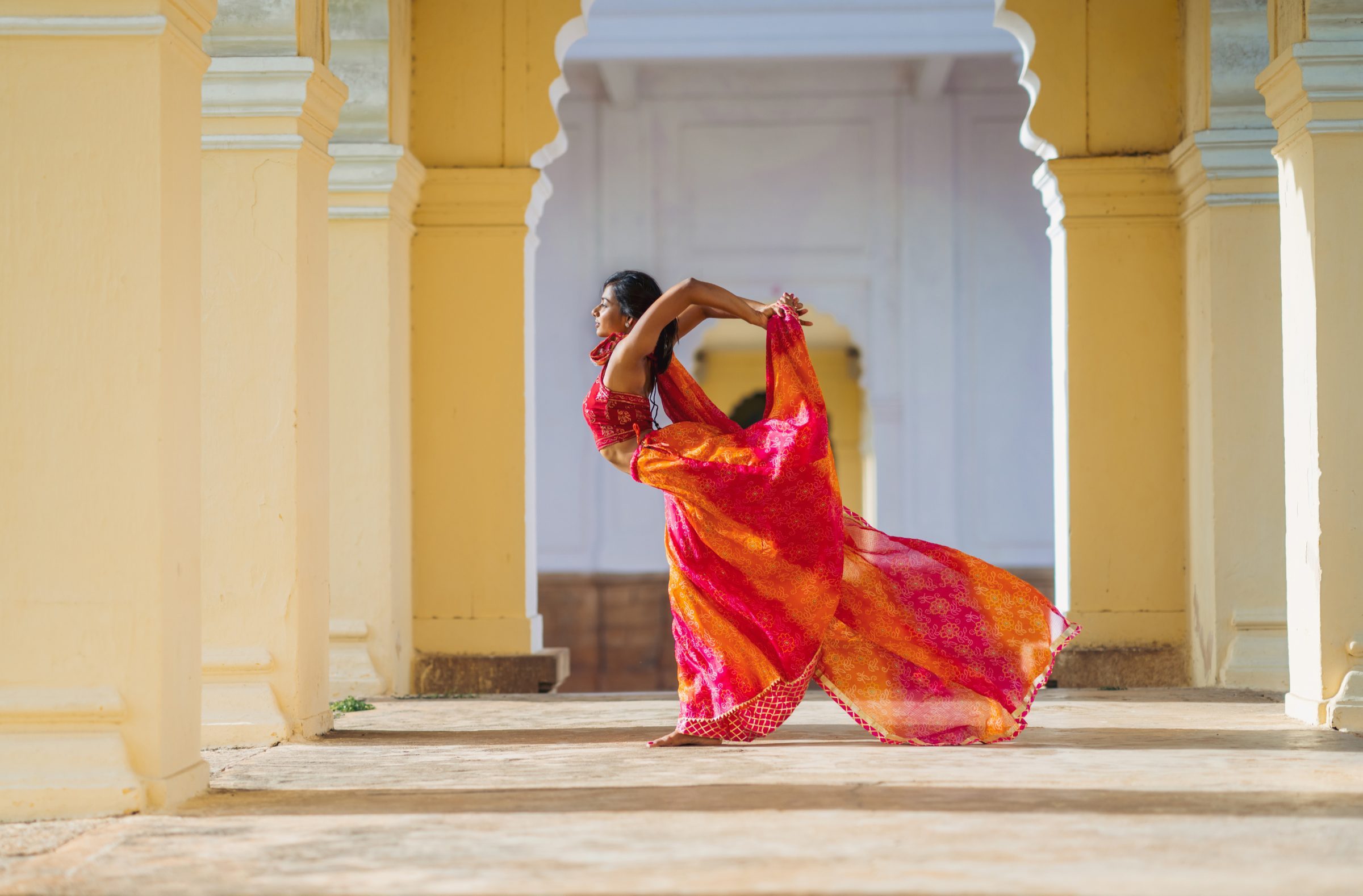
Ashtanga suits women over 40 particularly well. Its fixed sequence, steady breath, and daily rhythm build strength, protect the joints, and settle a mind carrying a full life. You do not need to be young or flexible to begin.
Ashtanga yoga suits women over 40 particularly well. Its fixed sequence, steady breath, and daily rhythm build strength, protect the joints, and settle a mind carrying decades of responsibility. You do not need to be flexible or young to begin. You need consistency, and a method that rewards it.
Is Ashtanga yoga safe for women over 40?
For most healthy women, yes, and it is often a better fit at 40 than at 25. Ashtanga is not a race. It begins with Sun Salutations and standing poses, and you are only given the next posture once the current one is steady. That built-in pacing means you progress at the speed your body can absorb, rather than the speed your ego wants. If you have a specific injury, a heart condition, or you are recently post-surgery, clear it with your doctor first and tell your teacher. Beyond that, the slow, repeatable structure of the method is exactly what an older body benefits from. You can read the full overview in What Is Ashtanga Yoga?.
What changes in the body after 40, and how Ashtanga meets it
After 40, three things quietly shift. Muscle mass starts to decline unless you actively load it, joints ask for more warmth before they open, and recovery takes a little longer than it used to. None of this is a decline to fear. It is simply information about how to train. Ashtanga answers all three without any special modification. The daily Sun Salutations warm the whole body before a single deep posture, so nothing is forced cold. The standing sequence loads the legs, spine, and shoulders under your own bodyweight, which is precisely the kind of resistance that preserves bone and muscle. And because you practise the same sequence each day, your body learns what is coming and prepares for it. The result is a practice that builds you up steadily rather than grinding you down. Consistency, not intensity, is what protects a body over 40, and consistency is the whole point of this method.
How much should a woman over 40 practise?
The honest answer is less than you think, more often than you would like. Ashtanga is traditionally practised six mornings a week, but four steady practices will genuinely change you. What matters is the rhythm, not the marathon. A realistic starting shape looks like this:
- Three to four mornings a week, 30 to 60 minutes each
- Sun Salutations and standing poses first, always, to warm the joints
- One full rest day, and ease off around your period if you want to
- New postures added slowly, one at a time, only when the last one feels steady
If you are wondering how little you can get away with, How Much Yoga a Day Do You Actually Need? works through it in detail.
Why the fixed sequence matters more, not less, after 40
With a full life, the last thing you need is one more decision. The quiet gift of Ashtanga at this stage is that it removes the choosing. You are not scrolling for a class or wondering what to work on. You step onto the mat and the sequence is already decided, so all of your attention goes into the practice rather than the planning. That is also why it settles a mind that is holding work, family, and everything else at once. There is a full walk-through in How to Quiet a Racing Mind with Yoga.
What about menopause and hormonal change?
Many women come to a serious practice precisely during this window, when sleep, mood, and energy feel less predictable. A steady daily practice will not override biology, and no honest teacher will promise that it does. What it offers is a fixed point in the day that is entirely yours: a warm, rhythmic, breath-led hour that tends to steady the nervous system. Keep the practice gentle on the days you need to, stay consistent across the month, and let the familiar sequence hold you when your energy will not. If a particular posture aggravates you, leave it out and return to it later. Nothing in this method has to be forced.
Starting from where you are
You do not need to arrive fit, flexible, or young. You need a method that meets a real body and a real schedule, and someone watching who can tell you what you cannot see from inside your own practice. If you want to find the pattern that is quietly holding your practice back, the free archetype quiz takes about four minutes. When you want structure, sequence, and regular feedback built for a busy life, that is what the Yoga Mastery Program is for.